Island Peak Climbing All Details Itinerary, Permits, Meal and Accommodation, Safety and Others for 2026/27
 Sushil Tiwari
27th Aug, 2025
Sushil Tiwari
27th Aug, 2025
Lorem ipsum dolor sit amet, consectetur adipisicing elit, sed do eiusmod tempor incididunt ut labore et dolore magna aliqua. Ut enim ad minim veniam, quis nostrud exercitation ullamco laboris nisi ut aliquip ex ea commodo consequat. Duis aute irure dolor in reprehenderit in voluptate velit esse cillum dolore eu fugiat nulla pariatur. Excepteur sint occaecat cupidatat non proident, sunt in culpa qui officia deserunt mollit anim id est laborum.
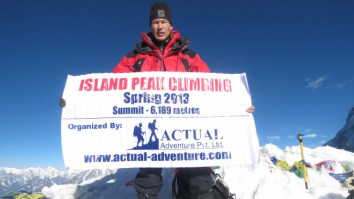
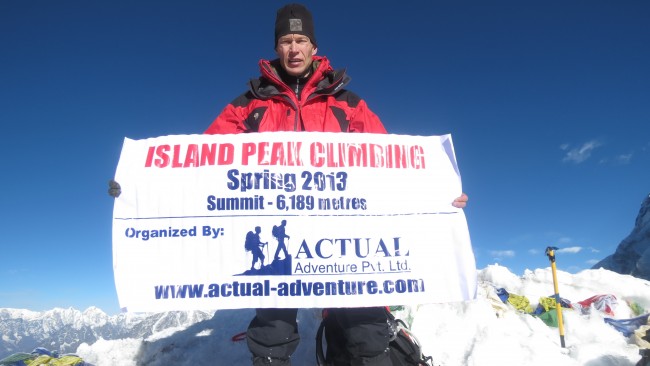
Nepal, the land of the Himalayas, is home to some of the world’s most iconic peaks. Among these, Island Peak, also known as Imja Tse, stands out as a favorite for adventure enthusiasts and mountaineers. Situated at an altitude of 6,189 meters (20,305 ft) in the Khumbu region, Island Peak is considered a trekking peak, offering both the thrill of mountaineering and the beauty of the Himalayan landscape. This comprehensive guide will take you through everything you need to know about Island Peak Climbing Nepal, including the route, difficulty, gear, permits, best season, and tips for a successful expedition.
Table of Contents
Why Choose Island Peak Climbing?
Island Peak is an ideal choice for climbers seeking a challenging yet achievable ascent. Unlike higher technical peaks like Everest, Island Peak requires basic mountaineering skills, including the use of crampons, ice axes, and ropes. It offers:
-
Stunning Himalayan views: Experience panoramic views of peaks like Everest, Lhotse, Nuptse, Ama Dablam, and Cho Oyu.
-
Adventure and achievement: The climb is physically demanding but rewarding, making it a popular choice for intermediate climbers.
-
Trekking and climbing combined: The journey involves trekking through picturesque villages, rhododendron forests, and high-altitude landscapes before the final ascent.
Best Season for Island Peak Climbing
Timing is crucial for a safe and enjoyable climb. The best seasons are:
-
Spring (March–May): Clear skies, blooming rhododendrons, and moderate temperatures.
-
Autumn (September–November): Crisp air, excellent visibility, and stable weather.
Avoid monsoon season (June–August) due to heavy rains, slippery trails, and high risks of landslides. Winter (December–February) brings extreme cold and snow, making the climb more challenging.
Island Peak Climbing Itinerary
Most expeditions to Island Peak follow a 12–14 day itinerary, which combines trekking and acclimatization. Here’s a sample:
Day 1: Arrival in Kathmandu (1,400m) – Prepare gear, permits, and meet the guide.
Day 2: Fly from Kathmandu to Lukla (2,860m) – Trek to Phakding (2,610m).
Day 3: Trek to Namche Bazaar (3,440m) – Explore Sherpa town and acclimatize.
Day 4: Acclimatization day in Namche Bazaar – Optional short hike to Everest View Hotel.
Day 5: Trek to Tengboche (3,860m) – Visit Tengboche Monastery.
Day 6: Trek to Dingboche (4,410m) – Rest and acclimatize.
Day 7: Acclimatization hike around Dingboche – Prepare for higher altitude.
Day 8: Trek to Lobuche (4,910m) – Scenic views of the Khumbu glacier.
Day 9: Trek to Island Peak Base Camp (5,087m) – Rest, gear check, and briefing.
Day 10: Island Peak Summit Attempt (6,189m) – Early morning climb with crampons and ropes. Descend to Base Camp.
Day 11: Trek to Pheriche (4,371m) – Rest after summit.
Day 12: Trek to Namche Bazaar – Overnight stay.
Day 13: Trek to Lukla – Farewell evening.
Day 14: Fly back to Kathmandu.
This itinerary balances acclimatization, trekking, and summit day, reducing the risk of altitude sickness.
Difficulty Level
Island Peak is categorized as a moderate trekking peak, suitable for climbers with basic mountaineering skills. Key challenges include:
-
Glacier travel: Navigate crevasses and icy terrain.
-
Steep snow slopes: Requires use of crampons and ice axes.
-
Altitude: Climbing above 5,000m requires proper acclimatization.
-
Physical fitness: Endurance and cardiovascular strength are essential.
With guidance from experienced Sherpa guides, even intermediate climbers can achieve the summit safely.
Gear and Equipment
Proper gear is essential for a safe climb. Essentials include:
-
Clothing: Thermal base layers, fleece jacket, down jacket, windproof and waterproof outer layer.
-
Footwear: Mountaineering boots compatible with crampons.
-
Climbing Gear: Ice axe, harness, helmet, carabiners, crampons, ropes.
-
Accessories: Gloves, woolen hat, sunglasses, trekking poles, gaiters.
-
Camping Gear: Sleeping bag (suitable for -20°C), headlamp, personal first aid kit.
Climbing agencies often provide some technical gear, but personal equipment ensures safety and comfort.
Permits and Regulations
Climbers require two main permits for Island Peak:
-
Trekking Permit: Usually included in the trekking package.
-
Island Peak Climbing Permit: Issued by the Nepal Mountaineering Association (NMA).
-
TIMS Card: Trekkers’ Information Management System card for tracking and safety.
It’s highly recommended to book through reputable trekking agencies like Himalayan Pilgrimage Journey to handle all permits and logistics.
Accommodation and Meals
Accommodation is mostly teahouses, lodges, or tents along the trekking route.
-
Teahouses: Offer shared bathrooms, simple meals, and basic comfort.
-
Base Camp: Tented camps with limited facilities; sleeping bags and personal gear are essential.
-
Meals: Traditional Nepali meals, including dal bhat, noodles, soups, and tea. Energy bars and snacks are recommended during summit day.
Electricity is limited in remote areas, so carrying a power bank is crucial.
Safety Tips
-
Acclimatization: Take rest days to prevent altitude sickness.
-
Hydration: Drink plenty of water throughout the trek.
-
Guide Assistance: Use certified Sherpa guides for technical climbing.
-
Travel Insurance: Covers medical emergencies, evacuation, and flight delays.
-
Weather Awareness: Summit attempts should be planned in clear weather for safety.
Why Island Peak is Unique
Island Peak offers a unique Himalayan experience that blends trekking and mountaineering. Unlike extreme peaks requiring extensive technical skills, Island Peak allows adventurers to:
-
Experience glacier walking and snow climbing.
-
Enjoy panoramic views of the world’s highest mountains.
-
Immerse in Sherpa culture and Himalayan village life.
-
Achieve a sense of accomplishment without extreme risk.
Climbing Island Peak in Nepal is an unforgettable adventure. With the right preparation, experienced guides, and a well-planned itinerary, adventurers can enjoy a safe, rewarding, and breathtaking Himalayan climb. Whether you’re seeking the thrill of mountaineering, stunning panoramic views, or cultural immersion in the Khumbu region, Island Peak promises an experience that will stay with you for a lifetime.
For anyone planning this trek, partnering with a professional agency like Actual Adventure ensures all logistics, permits, gear, and safety measures are handled efficiently, allowing you to focus on the adventure and the awe-inspiring beauty of the Himalayas.