hidden important language, rituals, and unique terms related to Everest Summit
 Kedar Neupane
13th Sep, 2025
Kedar Neupane
13th Sep, 2025
Kedar Neupane
I am Kedar Neupane, a passionate traveler, entrepreneur, mentor, and social contributor, born and raised in a village near the Nepal-China border in Sindhupalchok, Nepal. With a Master’s degree in Business from Tribhuvan University and Level 2 proficiency in the German language, I have dedicated my life to tourism, trade, mentorship, and holistic well-being.
🌍 A Global Explorer with a Vision
Having explored 26+ countries, I have gained profound insights into diverse cultures, business landscapes, and global tourism. My travels have taken me to:
🇹🇭 Thailand | 🇧🇹 Bhutan | 🇲🇾 Malaysia | 🇸🇬 Singapore | 🇨🇳 China | 🇭🇰 Hong Kong | 🇩🇪 Germany | 🇵🇱 Poland | 🇦🇹 Austria | 🇨🇭 Switzerland | 🇭🇺 Hungary | 🇳🇱 Netherlands | 🇧🇪 Belgium | 🇫🇷 France | 🇦🇪 UAE | 🇬🇧 UK | 🇺🇸 USA | 🇹🇷 Turkey | 🇶🇦 Qatar | 🇮🇳 India | 🇮🇩 Indonesia | 🇨🇦 Canada
Through my journeys, I have developed a deep appreciation for cultural exchange, adventure tourism, and sustainable business practices.
🏔️ Entrepreneurial & Professional Journey
I am actively involved in tourism, trade, and mentorship, leading multiple ventures that promote sustainable travel, adventure tourism, and business development:
✔ Founder & MD – Actual Adventure Pvt. Ltd. (A leading adventure travel company in Nepal)
✔ CEO – Himalayas Destination Management Company (Creating premium travel experiences)
✔ MD – Nepal Export & Import Pvt. Ltd. (Promoting Nepalese products globally)
✔ MD – Actual Mentor Pvt. Ltd. (Empowering entrepreneurs and professionals)
✔ Chairman – World Expedition Nepal (Focusing on high-altitude expeditions and trekking)
Through my entrepreneurial journey, social contributions, global explorations, and commitment to lifelong learning, I strive to inspire others to pursue their passions while making a meaningful difference. My dream is to build a world where travel, business, and holistic well-being come together, fostering growth, sustainability, and happiness for all.
Why words and rituals matter on Everest
Climbing Everest is a technical pursuit and a cultural passage. Many Sherpa traditions and Nepali/Tibetan terms reflect deep spiritual respect and practical survival knowledge passed through generations.
Table of Contents
Glossary: Hidden words & meanings
Here are key words you’ll hear around Base Camp, on the route, and in Sherpa homes. These are both cultural and functional—know them before you travel.
Kharpas — Protection thread
A blessed cotton thread tied on the wrist by a lama or elder during puja. It is a spiritual protection charm worn before risky journeys, believed to bring good fortune and safeguard life at altitude.
Puja Ceremony — Blessing the climb
A ritual at Base Camp that asks permission of the mountain spirits. Offerings, prayers, butter lamps, khada scarves, and chants are performed; equipment is blessed. Many Sherpas will not start an expedition without a proper puja.
Chuli — Peak / smaller summit
Used in local toponyms (e.g., Lobuche Chuli). Calling something a “Chuli” often has an implied reverence—it's not just a climbing target but a significant high point in local cosmology.
Tambu — Tent life
Everyday mountain life revolves around the tambu: sleeping, eating, and preparing gear. A strong tambu culture is crucial—teamwork, tidiness, and respect for senior climbers and Sherpas are part of it.
Lapsang — A Sherpa name & meaning
A common Sherpa name meaning good fortune or clear mind. Names like Lapsang are often associated with qualities valued on the mountain—wisdom, steadiness, and a calm temperament.
Jungta — Dried yak dung (fuel)
Historically used for fires and cooking in Himalayan villages and camps. Jungta symbolizes adaptation: communities used local, sustainable resources long before modern fuel deliveries were common.
Khumbu Icefall — The shifting gateway
A treacherous section of constantly moving ice and towering seracs. The Icefall is ever-changing and requires fixed ladders, rope teams, and experienced Sherpas to navigate. It is one of the most dangerous parts of the classic South Col route.
Hanging Glacier — Hidden avalanche risk
Massive ice cliffs perched above routes. They can collapse without warning and are one reason some routes are closed after warm spells or heavy snowfall. Climbers and leaders constantly assess serac and hanging glacier risk.
Puja, Blessings & Mountain Protocol
Puja is more than ceremony—it’s permission. Understand these practical and cultural points:
- Who leads the puja? Typically a lama or respected elder from the Sherpa community leads puja at Base Camp.
- Offerings: Khada scarves, rice, flour, butter lamps, incense, and sometimes small offerings of tea and raksi are placed on a chorten or altar.
- Why it matters: It sets the expedition’s tone—humility, unity, and respect for the mountain’s power. Many Sherpas will refuse to climb if puja is skipped.
- Practical side: Equipment (ice axes, ropes) is ritually blessed—this fosters psychological cohesion and mutual commitment among team members.
Khumbu Icefall & Hanging Glaciers — Technical notes
From a mountaineer’s perspective, these are the physical hazards behind many Everest fatalities; from a local perspective, they are part of the mountain’s personality.
Key safety and route-management points
- Timing: Teams cross the Icefall early (pre-dawn) when the ice is more stable and cold.
- Rigging & ladders: Icefall Sherpas fix ladders and ropes daily during the climbing season—this is dangerous, skilled work.
- Weather & seracs: A warming spell or intense snowfall can destabilize hanging glaciers—teams often postpone or reroute.
- Decision-making: Sherpa leaders and foreign expedition leaders constantly balance ambition, safety, and spiritual respect—often using local knowledge of recent movements and signs.
Names of the mountain — Chomolungma & Sagarmatha
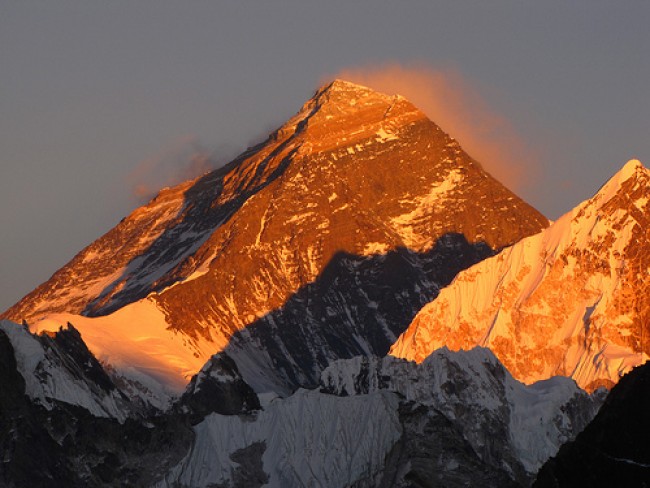
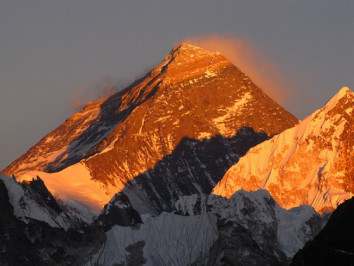
Chomolungma (Tibetan/Sherpa) — "Mother Goddess of the World." Sagarmatha (Nepali) — "Forehead of the Sky." Both names reflect deep reverence: the mountain is a deity, not merely a sporting goal.
For climbers, this means adopting humility: local rituals, respectful conduct at Base Camp (quiet near chortens, help with communal tasks, participate respectfully in puja) is recommended and appreciated.
Frequently Asked Questions (FAQs)
Is puja required for foreigners?
Not legally required, but many teams participate. It’s respectful and often requested by Sherpa partners. Participating builds trust and unity with the local crew.
What should I know about the Khumbu Icefall?
It's a highly hazardous, moving glacier area guarded by seracs and crevasses. Crossing requires ladders, fixed ropes, and experienced icefall Sherpas. Early morning crossings are standard.
Are hanging glaciers predictable?
No. They can collapse with little warning. Route leaders monitor weather, recent avalanches, and temperature trends to reduce risk.
What is the "death zone"?
The death zone refers to altitudes above ~8000 meters where the human body cannot acclimatize for long; extended exposure causes physiological deterioration. Supplemental oxygen and short exposure windows are used on Everest’s summit push.
How can I show respect to Sherpa culture?
Participate in puja respectfully, learn basic local greetings, follow camp cleanliness rules, compensate and tip fairly, and listen to Sherpa advice about safety and timing.
Final thoughts
Beyond its height, Everest carries a vocabulary of protection, ritual, and local knowledge that shapes every successful expedition. Terms such as kharpas, puja, tambú, and warnings like Khumbu Icefall and hanging glacier are more than words — they are the lived wisdom of the Khumbu people.
If you’re planning to trek or climb with Actual Adventure, our team integrates cultural respect, safety-first route planning, and Sherpa knowledge on every journey.
Quick facts
Chomolungma = Mother Goddess. Sagarmatha = Forehead of the Sky.
Death zone: Above ~8,000 m.
Puja — community blessing for safe expedition.
Everest Safety Tips
- Respect puja & local customs
- Trust experienced Sherpa leaders
- Cross Icefall early, in teams
- Watch for serac fall & warm spells
Plan a Cultural Summit Prep
Want a climb that honors tradition and prioritizes safety? Our summit prep includes a team puja, experienced Icefall Sherpas, and route risk assessments.
Resources & Further Reading
Books, documentaries and Sherpa oral histories provide deeper cultural context. Ask us for a recommended reading list tailored to your trip.
Actual Adventure · Kathmandu · Nepal
Email: info@actualadventure.com
Sherpa Language & Everest Facts
Important local words, rituals, and hidden facts about Everest every climber and traveler should know.
| Sherpa/Nepali Term | English Meaning | Description / Fact |
|---|---|---|
| Kharpas (खर्पास) | Protection Thread | Blessed cotton thread tied by monks to protect climbers. Considered essential before the climb. |
| Puja (पूजा) | Ceremony / Blessing | Ritual performed at Base Camp with offerings, chants, and prayer scarves to honor mountain spirits. |
| Chuli (चुली) | Peak / Summit | Used in naming peaks like Lobuche Chuli; signifies a sacred high point, not just a climbing target. |
| Tambu (तम्बु) | Tent | Daily life in tents at Base Camp or higher camps; essential for sleeping, eating, and organizing gear. |
| Lapsang (लापसाङ) | Good Fortune / Name | A common Sherpa name meaning “clear mind” or “good luck”; associated with wisdom and steadiness on the mountain. |
| Jungta (जुङ्टा) | Dried Yak Dung | Used traditionally as fuel for cooking and heating; symbol of local adaptation to high-altitude life. |
| Khumbu Icefall | Icefall / Glacier | One of the most dangerous sections of Everest; shifting ice, crevasses, and seracs require fixed ladders and expert guidance. |
| Hanging Glacier | Overhanging Ice | Massive ice cliffs above climbing routes; can collapse without warning causing avalanches. |
| Lungta (རླུང་རྟ་) | Wind Horse / Prayer Flags | Flags placed across camps and passes; fluttering wind spreads blessings and protection. |
Contact & Booking — Cultural Summit Preparation
Send your inquiry and we'll respond with an itinerary that respects Sherpa traditions, includes puja and Base Camp protocols, and prioritizes safe route planning.
Recent Posts
3rd Dec, 2025

19th Nov, 2025
19th Nov, 2025


27th Oct, 2025

28th Aug, 2025


.jpeg)