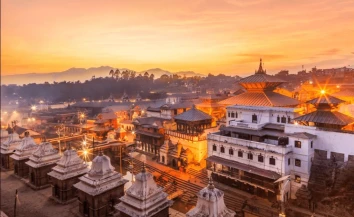
The 4 C’s of Tourism: A Himalayan Perspective

 Sushil Tiwari
15th Dec, 2025
Sushil Tiwari
15th Dec, 2025
Lorem ipsum dolor sit amet, consectetur adipisicing elit, sed do eiusmod tempor incididunt ut labore et dolore magna aliqua. Ut enim ad minim veniam, quis nostrud exercitation ullamco laboris nisi ut aliquip ex ea commodo consequat. Duis aute irure dolor in reprehenderit in voluptate velit esse cillum dolore eu fugiat nulla pariatur. Excepteur sint occaecat cupidatat non proident, sunt in culpa qui officia deserunt mollit anim id est laborum.
Tourism today is not only about visiting destinations; it is about creating long-term value for people, nature, and local economies. In sustainable tourism planning, the 4 C’s of Tourism provide a practical framework to ensure responsible growth.
Table of Contents
When applied to the Himalayan region—one of the world’s most fragile and culturally rich landscapes—the 4 C’s become essential pillars for meaningful and sustainable tourism development.
What Are the 4 C’s of Tourism?
The 4 C’s of Tourism are:
- Community
- Conservation
- Culture
- Commerce
Together, these four elements support tourism that is sustainable, inclusive, authentic, and economically viable—especially important in mountain destinations like the Himalayas.
1. Community: Empowering Himalayan People
Community refers to the local people living in tourist destinations whose livelihoods are directly influenced by tourism. Sustainable tourism ensures that communities are not passive observers, but active stakeholders and beneficiaries.
Community-Based Tourism in the Himalayas
The Himalayas are home to diverse ethnic communities including Sherpa, Tamang, Gurung, Magar, Thakali, Rai, Limbu, and Tibetan-origin groups. Tourism plays a crucial role in shaping their economic and social well-being.
- Local trekking and mountain guides
- Porters and yak handlers
- Tea house and lodge owners
- Homestay operators and women-led cooperatives
- Local transport and logistics providers
Popular trekking routes such as the Everest Base Camp Trek, Annapurna Base Camp Trek, Manaslu Circuit Trek, and Upper Mustang Trek rely heavily on community-run services.
Community-focused tourism ensures Himalayan people grow with tourism—not at its cost.
2. Conservation: Protecting Fragile Himalayan Ecosystems
Conservation in tourism emphasizes the protection of natural landscapes, biodiversity, and ecosystems while allowing responsible travel activities.
Environmental Challenges in the Himalayas
- Climate change and glacial retreat
- Trail erosion and deforestation
- Waste management issues in trekking regions
- Pressure on wildlife habitats
Conservation Practices in Himalayan Tourism
- Leave No Trace trekking principles
- Plastic-free trekking initiatives
- Waste carry-back policies
- Use of solar and alternative energy in lodges
- Restricted permits to control over-tourism
Protected areas such as Sagarmatha National Park, Annapurna Conservation Area, Langtang National Park, and Manaslu Conservation Area are directly supported by tourism revenue.
In the Himalayas, conservation is not optional—it is essential for survival.
3. Culture: Preserving Himalayan Heritage
Culture in tourism includes language, religion, architecture, festivals, cuisine, rituals, and traditional knowledge passed down through generations.
Cultural Richness of the Himalayas
- Tibetan Buddhism and Hindu traditions
- Ancient monasteries, gompas, and chortens
- Prayer flags, mani walls, and sacred trails
- Festivals such as Mani Rimdu, Losar, Dashain, and Tihar
Cultural Tourism Experiences
- Monastery visits in Everest, Mustang, and Dolpo
- Village homestays in Gurung and Tamang regions
- Participation in local festivals and rituals
- Learning traditional farming and handicrafts
In the Himalayas, culture is not a performance—it is a living way of life.
4. Commerce: Sustainable Economic Growth
Commerce represents the economic foundation of tourism—ensuring businesses remain viable while benefits are distributed fairly among stakeholders.
In many Himalayan regions, tourism is the primary source of income, supporting:
- Trekking and expedition companies
- Tea houses and mountain lodges
- Helicopter and mountain flight services
- Local handicrafts and souvenir markets
- Transportation and logistics services
Responsible commerce ensures fair wages, proper insurance for guides and porters, transparent pricing, and reinvestment into local communities.
True Himalayan commerce balances profit with people and the planet.
How the 4 C’s Work Together in Himalayan Tourism
| C | Role in the Himalayas | Impact |
|---|---|---|
| Community | Local involvement and ownership | Employment and empowerment |
| Conservation | Environmental protection | Long-term sustainability |
| Culture | Heritage preservation | Authentic travel experiences |
| Commerce | Economic viability | Responsible tourism growth |
Conclusion: The Future of Tourism in the Himalayas
The Himalayas are more than mountains—they are living landscapes shaped by people, culture, and nature. Applying the 4 C’s of Tourism ensures that tourism protects these values while creating meaningful experiences for travelers.
For visitors, it offers deeper connections. For communities, it provides dignity and opportunity. For businesses, it builds trust and sustainability. And for the Himalayas, it secures a future worth preserving.
Responsible tourism guided by the 4 C’s is the only path forward for the Himalayas.
Recent Posts




8th Feb, 2026

6th Feb, 2026