Langtang Valley Trek | Complete Guide, Winter Trekking, Costs & Wildlife
 Kedar Neupane
25th Jan, 2026
Kedar Neupane
25th Jan, 2026
Kedar Neupane
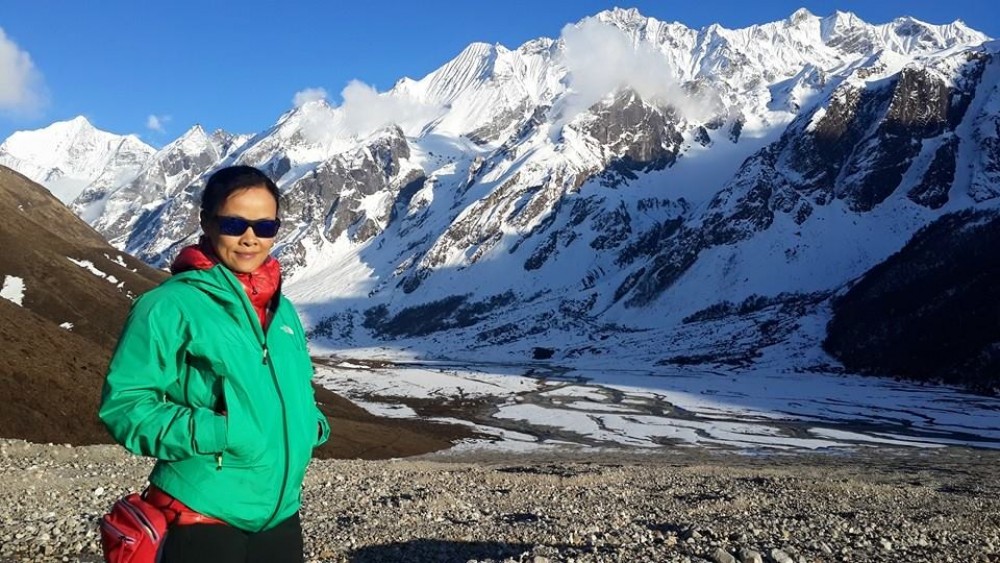
I am Kedar Neupane, a passionate traveler, entrepreneur, mentor, and social contributor, born and raised in a village near the Nepal-China border in Sindhupalchok, Nepal. With a Master’s degree in Business from Tribhuvan University and Level 2 proficiency in the German language, I have dedicated my life to tourism, trade, mentorship, and holistic well-being.
🌍 A Global Explorer with a Vision
Having explored 26+ countries, I have gained profound insights into diverse cultures, business landscapes, and global tourism. My travels have taken me to:
🇹🇭 Thailand | 🇧🇹 Bhutan | 🇲🇾 Malaysia | 🇸🇬 Singapore | 🇨🇳 China | 🇭🇰 Hong Kong | 🇩🇪 Germany | 🇵🇱 Poland | 🇦🇹 Austria | 🇨🇭 Switzerland | 🇭🇺 Hungary | 🇳🇱 Netherlands | 🇧🇪 Belgium | 🇫🇷 France | 🇦🇪 UAE | 🇬🇧 UK | 🇺🇸 USA | 🇹🇷 Turkey | 🇶🇦 Qatar | 🇮🇳 India | 🇮🇩 Indonesia | 🇨🇦 Canada
Through my journeys, I have developed a deep appreciation for cultural exchange, adventure tourism, and sustainable business practices.
🏔️ Entrepreneurial & Professional Journey
I am actively involved in tourism, trade, and mentorship, leading multiple ventures that promote sustainable travel, adventure tourism, and business development:
✔ Founder & MD – Actual Adventure Pvt. Ltd. (A leading adventure travel company in Nepal)
✔ CEO – Himalayas Destination Management Company (Creating premium travel experiences)
✔ MD – Nepal Export & Import Pvt. Ltd. (Promoting Nepalese products globally)
✔ MD – Actual Mentor Pvt. Ltd. (Empowering entrepreneurs and professionals)
✔ Chairman – World Expedition Nepal (Focusing on high-altitude expeditions and trekking)
Through my entrepreneurial journey, social contributions, global explorations, and commitment to lifelong learning, I strive to inspire others to pursue their passions while making a meaningful difference. My dream is to build a world where travel, business, and holistic well-being come together, fostering growth, sustainability, and happiness for all.
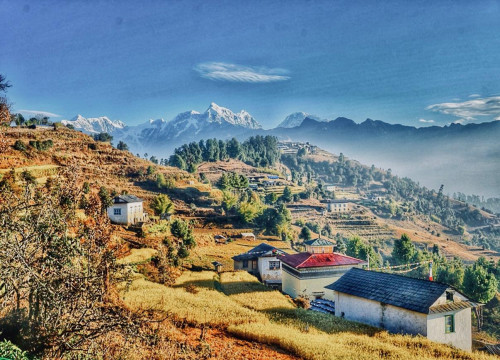
The Langtang Valley Trek is one of Nepal’s most accessible and scenic Himalayan treks, offering a unique blend of natural beauty, rich culture, and wildlife diversity. Situated just north of Kathmandu in the Langtang National Park, this trek takes you through lush forests, high alpine meadows, and traditional Tamang villages, all under the towering presence of majestic Himalayan peaks. Known as the “valley of glaciers,” Langtang provides trekkers with a perfect combination of adventure and cultural exploration. With its close proximity to Kathmandu, it is an ideal trek for both first-time trekkers and seasoned hikers seeking a shorter, yet rewarding Himalayan experience.
Table of Contents
Trek Highlights and Attractions
Langtang Valley Trek is renowned for its panoramic views of snow-capped peaks, including Langtang Lirung (7,227m), Ganesh Himal, and Dorje Lakpa. The valley also features Kyanjin Gompa, a traditional Tibetan Buddhist monastery and the hub for trekkers wishing to explore nearby viewpoints like Kyanjin Ri and Tserko Ri. Kyanjin Ri offers moderate trekking and is accessible for most trekkers, while Tserko Ri is more challenging and ideal for those seeking a physically demanding hike with extraordinary vistas. Along the way, trekkers encounter charming Tamang villages, prayer flags, mani walls, and stone-built houses, providing a glimpse into the rich Himalayan culture and traditions.
The region is also rich in biodiversity, hosting rare wildlife such as Red Pandas, Himalayan Tahr, Musk Deer, and various bird species including the Himalayan Monal and Blood Pheasant. Nature enthusiasts will find themselves immersed in pristine forests of pine, rhododendron, and bamboo, while photographers can capture snow-capped peaks reflected in glacial rivers.
Best Time to Trek Langtang Valley
While Langtang Valley Trek can be done throughout the year, spring (March–May) and autumn (September–November) are considered the best seasons due to clear skies, stable weather, and blooming rhododendron forests. Winter (December–February) trekking is possible but requires proper preparation for cold temperatures and snow-covered trails. Despite the chill, winter offers serene landscapes with fewer trekkers and excellent visibility of the mountains. Summer (June–August) brings monsoon rains, which can make trails slippery and reduce visibility, though the valley remains lush and green.
Trek Duration and Difficulty
The standard Langtang Valley Trek usually takes 7–10 days, depending on the starting point, side trips, and acclimatization. The trail begins from Syabrubesi, accessible by a 6–7 hour drive from Kathmandu. From there, trekkers pass through Lama Hotel, Langtang Village, and Kyanjin Gompa, before returning to Syabrubesi. Trek difficulty is classified as moderate, with the main challenges being altitude, steep ascents, and occasional snow in winter. Kyanjin Ri is considered a moderate hike suitable for most trekkers, while Tserko Ri is more strenuous and recommended for experienced hikers.
Accommodation and Food
Accommodation along the Langtang Valley Trek is primarily in teahouses or small lodges offering twin rooms, basic amenities, and warm meals. During winter, heating is often limited to dining areas, and trekkers should carry extra layers or sleeping bags. The food available is simple but hearty, with staples such as dal bhat, noodles, soups, and fried rice. Hot tea and ginger lemon honey are commonly served to keep warm in the chilly mountain air.
Packing and Preparation
For a successful Langtang Valley Trek, proper packing is essential. Trekkers should carry down jackets, thermal layers, waterproof jackets and pants, insulated boots, gloves, hats, and trekking poles. In winter, a sleeping bag rated to -10°C or lower is recommended, and microspikes can help with icy trails. A power bank or solar charger is useful as electricity and Wi-Fi are limited above Langtang Village.
Cost and Permits
The estimated cost of the trek varies depending on whether you hire a guide or porter and the duration of your trip. On average, the total cost ranges from USD 700–1,000 per person, including accommodation, meals, permits, and guide services. Permits required include the Langtang National Park permit and TIMS (Trekking Information Management System) card, which together cost approximately USD 40. Hiring a local guide is highly recommended for both safety and cultural insights, especially during winter or snowy conditions.
Culture and People
The valley is home to the Tamang people, a Tibetan-influenced ethnic group with deep-rooted Buddhist traditions. Trekkers can witness stone houses, mani walls, prayer flags, and seasonal festivals like Lhosar, providing a unique cultural experience. The locals are warm, hospitable, and involved in trekking-related livelihoods such as guiding, portering, and homestays.
Connectivity and Safety
Mobile networks from Nepal Telecom and Ncell cover most parts of the valley up to Kyanjin Gompa, and paid Wi-Fi is available at select teahouses. Safety in Langtang Valley is generally good, but trekkers should always check weather updates, carry emergency cash, and trek with a guide for added security, especially in winter when snow and ice make the trails more challenging.
Why Trek Langtang Valley in 2026?
Langtang Valley Trek is an ideal choice for 2026 for those seeking a combination of adventure, culture, and natural beauty without the crowds of Everest or Annapurna regions. With improved road access from Kathmandu and well-maintained trails, trekkers can enjoy breathtaking views, authentic village experiences, and a serene Himalayan environment. Whether you choose the moderate Kyanjin Ri hike or the challenging Tserko Ri, the valley promises unforgettable memories, spiritual enrichment, and wildlife encounters.
Tip: For 2026, book your trek in advance, especially in spring and autumn, to secure guided packages, teahouse accommodation, and permit processing. Experienced local trekking agencies like Actual Adventure Pvt. Ltd. provide safe, fully-managed trekking packages tailored for international and Nepali trekkers.
The Langtang Valley Trek is one of Nepal’s most scenic and culturally rich Himalayan treks. Located just north of Kathmandu, it offers spectacular mountain views, Tibetan-influenced Tamang culture, rich wildlife, and accessible trekking routes.
Explore our guided Langtang Valley Trek package: Langtang Valley Trek with Local Experts
Can You Do Langtang Valley Trek in Winter?
Yes, the Langtang Valley Trek in winter (December–February) is possible and rewarding. Snow-covered landscapes, fewer trekkers, and crystal-clear skies make winter trekking appealing for experienced hikers.
- Day temperature: 5–10°C
- Night temperature: -10°C or lower
- Snowfall above Kyanjin Gompa
Winter trekking is recommended with a guide for safety. Explore our guided winter trek: Langtang Valley Trek Package
Langtang Valley Winter Weather & Temperature
Winter in the Langtang region runs from December to February. During this period, the weather is generally dry with clear skies, but temperatures can drop significantly, especially at night.
- Daytime temperature: 5°C to 10°C
- Night temperature: -5°C to -10°C
- Snowfall: Common above Kyanjin Gompa (3,870m)
- Wind: Cold winds at higher viewpoints like Tserko Ri
Despite the cold, winter often provides some of the clearest views of Langtang Lirung, Dorje Lakpa, and Ganesh Himal.
Trail Conditions in Winter
- Trail up to Lama Hotel: Mostly clear
- Langtang Village to Kyanjin Gompa: Snow possible
- Kyanjin Ri & Tserko Ri: Snowy and icy
Using trekking poles and microspikes is highly recommended for winter trekking.
Pros of Doing Langtang Valley Trek in Winter
- Very few trekkers and peaceful trails
- Snow-covered mountains and landscapes
- Clear skies and excellent visibility
- Lower accommodation costs
- Authentic village experience
Challenges of Winter Trekking
- Extremely cold nights
- Limited teahouse availability above Langtang Village
- Frozen water pipes in higher villages
- Snow may block access to Tserko Ri
Hiring a local guide is strongly advised during winter for safety and navigation: Experienced Trekking Guides in Nepal
Accommodation & Food Availability in Winter
Accommodation
- Basic teahouses with twin-sharing rooms
- Limited heating (mostly dining areas only)
- Extra blankets available
Food
- Dal Bhat (best for warmth & energy)
- Noodles, soups, fried rice
- Hot tea and ginger lemon honey
Packing List for Langtang Valley Trek in Winter
- Down jacket (essential)
- Thermal base layers
- Waterproof jacket and pants
- Insulated trekking boots
- Sleeping bag rated to -10°C
- Warm gloves, hat, and socks
- Trekking poles and microspikes
- Power bank (limited electricity)
Is Langtang Valley Trek Safe in Winter?
Yes, the Langtang Valley Trek is safe in winter when done with proper preparation. Weather is generally stable, and the trail is well-defined. However, snow and cold temperatures require caution.
Safety Tips
- Trek with a licensed guide
- Check daily weather forecasts
- Walk slowly and avoid rushing
- Carry emergency cash and backup power
Langtang Valley Trek Cost in Winter
- Guide: USD 25–30 per day
- Porter: USD 20–25 per day
- Food & accommodation: USD 20–30 per day
- Permits: USD 40 (Langtang National Park + TIMS)
Total estimated cost: USD 700 – 1,000 per person
Kyanjin Ri vs Tserko Ri – Which Viewpoint Should You Choose?
Kyanjin Gompa (3,870m) is the final settlement on the Langtang Valley Trek and a perfect base for spectacular acclimatization hikes. Trekkers can hike to either Kyanjin Ri or Tserko Ri.
Kyanjin Ri Overview
- Altitude: 4,773m
- Hiking Time: 3–4 hours round trip
- Difficulty: Moderate
- Best For: Acclimatization and short hikes
Views from Kyanjin Ri
- Langtang Lirung (7,227m)
- Langtang Glacier
- Kyanjin Gompa Valley
- Surrounding Himalayan peaks
Tserko Ri Overview
- Altitude: 4,984m
- Hiking Time: 6–8 hours round trip
- Difficulty: Challenging
- Best For: Experienced trekkers and photographers
Views from Tserko Ri
- Langtang Lirung
- Ganesh Himal range
- Shishapangma (Tibet)
- Vast Langtang Glacier system
Quick Comparison
| Feature | Kyanjin Ri | Tserko Ri |
|---|---|---|
| Altitude | 4,773m | 4,984m |
| Hiking Duration | 3–4 hours | 6–8 hours |
| Difficulty Level | Moderate | Challenging |
| Best For | All trekkers | Fit & experienced trekkers |
Many trekkers with enough time choose to hike both viewpoints on separate days. Guided hikes are recommended for safety, especially on Tserko Ri: Book Guided Trek
Top Wildlife Species to Spot on Langtang Valley Trek
The Langtang Valley Trek passes through Langtang National Park, home to rare mammals, colorful birds, and unique alpine species.
Major Wildlife Species
- Red Panda: Bamboo forests, early morning sightings, endangered
- Himalayan Tahr: Grazing on slopes, small herds
- Musk Deer: Forested areas, active at dawn/dusk
- Snow Leopard: Rare, tracks at higher elevations
- Himalayan Black Bear: Lower forests, shy
Bird Species
- Himalayan Monal (National bird of Nepal)
- Blood Pheasant
- Snow Pigeon
- Golden Eagle
- Griffon Vulture
Best Time to See Wildlife
- Spring (March–May): Active wildlife, blooming forests
- Autumn (Sept–Nov): Clear visibility, frequent sightings
- Winter: Limited wildlife, but tracks in snow
Langtang Valley People, Culture and Main Attractions
The valley is home to the Tamang people, with Tibetan Buddhist influences, traditional stone houses, prayer flags, and seasonal festivals like Lhosar.
- Primary ethnicity: Tamang
- Language: Tamang & Nepali
- Religion: Tibetan Buddhism
- Livelihoods: Farming, yak herding, trekking tourism
Wi-Fi, Charging & Mobile Network in Langtang Valley
Connectivity is limited but available up to Kyanjin Gompa. Carry a power bank or solar charger.
- Networks: Nepal Telecom (NTC) and Ncell
- Wi-Fi: Available in teahouses (paid)
- Charging: NPR 200–800 per device
Wi-Fi Cost
| Location | Wi-Fi Cost (NPR) |
|---|---|
| Syabrubesi | Free – 300 |
| Lama Hotel | 300 – 500 |
| Langtang Village | 400 – 600 |
| Kyanjin Gompa | 500 – 800 |
Charging Cost Table
| Device | Cost per Charge (NPR) |
|---|---|
| Mobile Phone | 200 – 400 |
| Camera | 300 – 600 |
| Power Bank | 500 – 800 |
Important tips for Langtang Trekking 2026 Best idea for prepration
Important Tips for Langtang Trekking 2026: Trekking in Langtang Valley requires proper preparation, as the Himalayan terrain and weather can be unpredictable. Start your trek well-acclimatized, drink plenty of water, and take it slow to avoid altitude sickness, especially at higher points like Kyanjin Ri. Pack layered clothing, waterproof gear, and sturdy trekking boots to handle sudden rain or snow. Carry essential items such as a first-aid kit, trekking poles, snacks, and a reusable water bottle. Hiring a local guide is highly recommended for safety, navigation, and cultural insights. Respect local customs, avoid plastic waste, and be prepared for basic teahouse accommodations. Plan your trek in spring (March–May) or autumn (September–November) for the best weather, clear mountain views, and vibrant landscapes.
1. Langtang Valley Weather, Temperature & Best Time to Trek
Langtang Valley experiences typical Himalayan weather, which changes drastically with altitude and season. The valley enjoys warm and clear weather in spring (March–May), with temperatures ranging from 10°C to 20°C in lower villages and just below 0°C at higher elevations like Kyanjin Gompa. Autumn (September–November) is another ideal season, offering stable weather, less rainfall, and crisp mountain views. Winter (December–February) brings cold temperatures, ranging from -5°C to 10°C, with snow covering higher trails — perfect for trekkers seeking solitude and snowy landscapes. Summer (June–August) is the monsoon season, with heavy rains, slippery trails, and limited visibility, though the valley becomes lush and green. Overall, spring and autumn are considered the best times to trek Langtang Valley for safety, clear skies, and vibrant scenery.
2. Langtang Trek Map – Helambu Valley and Gosaikunda
Langtang Valley is well-connected to neighboring regions like Helambu Valley and Gosaikunda, making it possible to plan extended trekking routes. The main Langtang Trek route begins at Syabrubesi, passing through Lama Hotel, Langtang Village, and culminating at Kyanjin Gompa, with side treks to Kyanjin Ri and Tserko Ri. The valley is part of Langtang National Park, which features alpine forests, glacial rivers, and high meadows. Helambu Valley, located to the south of Langtang, is famous for its melting glaciers, rhododendron forests, and Helambu villages. Gosaikunda, a high-altitude alpine lake and sacred Hindu-Buddhist site, can be added as an extension from Langtang, offering a combination of cultural pilgrimage and trekking adventure. Trekkers can use detailed maps for elevation, distance, and estimated trekking days to plan routes and acclimatization stops efficiently.
3. All About Food and Accommodation in Langtang Trek
Accommodation in Langtang Valley is mainly teahouses and lodges, offering twin or shared rooms with basic amenities. Heating is available in most dining areas, but sleeping areas may be cold in winter, so carrying a warm sleeping bag is recommended. Meals are simple, nutritious, and Himalayan-style. Popular food includes dal bhat (rice and lentil soup), momos, noodles, soups, fried rice, and porridge, with hot beverages like tea, coffee, and ginger honey tea keeping trekkers warm. Many teahouses also cater to vegetarian and vegan diets, though options may be limited at higher altitudes. It is advisable to carry snacks and energy bars, especially for long trekking days. Overall, the food is affordable, filling, and designed to support trekking energy requirements.
4. Langtang Trek Cost: How to Budget Effectively?
The cost of trekking in Langtang Valley varies depending on accommodation, guide services, transport, and personal spending habits. On average, a 7–10 day Langtang Trek may cost USD 700–1,000 per person if hiring a guide and porter. Key expenses include:
- Transportation: Kathmandu to Syabrubesi by tourist bus (~USD 15–20).
- Accommodation & Food: Around USD 20–30 per day in teahouses, including meals.
- Guide & Porter Services: Guide (~USD 25–30/day), Porter (~USD 15–20/day).
- Permits: TIMS and Langtang National Park permits (~USD 40 total).
Budget-conscious trekkers can save money by trekking independently, staying in basic teahouses, and carrying some personal food. Hiring a guide, however, enhances safety, navigation, and cultural understanding, especially in winter or snowy trails.
5. Langtang Trek Difficulty and Tips to Overcome Them
Langtang Valley Trek is considered moderate difficulty, suitable for trekkers with basic fitness and some hiking experience. Challenges include:
-
Altitude: Highest points like Kyanjin Ri (~4,773m) may cause mild altitude sickness. Acclimatization and hydration are essential.
-
Steep Trails: Some sections have rocky or slippery trails, especially during winter. Trekking poles and proper footwear are recommended.
-
Weather Variability: Sudden snow or rain can occur; layering clothing and waterproof gear is critical.
Tips to overcome difficulty:
- Start training with regular walking or hill hikes before the trek.
- Acclimatize properly; avoid rushing to high altitudes.
- Carry essential gear: warm clothes, trekking poles, first aid, and water purification tablets.
- Trek with a guide for safety and local knowledge.
6. All About Required Permits for Langtang Trek
Two permits are mandatory for the Langtang Valley Trek:
-
Langtang National Park Permit: Required to enter the park. Cost: ~USD 30–35.
-
TIMS Card (Trekking Information Management System): Tracks trekkers for safety. Cost: ~USD 10.
Both permits can be obtained in Kathmandu before the trek or at the entry point in Syabrubesi. International trekkers are strongly advised to carry their passport copies for permit processing. Hiring a guide or trekking agency often includes permit arrangements, making the process hassle-free.
7. Langtang Trek Distance | All You Need to Know
The total distance of Langtang Valley Trek varies depending on side trips, but the standard trek is approximately 65–75 km round trip. Key trekking distances:
- Syabrubesi to Lama Hotel: ~10 km
- Lama Hotel to Langtang Village: ~12 km
- Langtang Village to Kyanjin Gompa: ~8 km
- Side Trek to Kyanjin Ri: ~4 km ascent, 4 km descent
- Return from Kyanjin Gompa to Syabrubesi: ~25–30 km
Daily trekking distances range between 6–12 km, making the trek manageable for moderate fitness trekkers. The trail is well-marked, and villages along the way offer accommodation and rest stops for breaks.
Conclusion: Langtang Valley Trek 2026
The Langtang Valley Trek is one of Nepal’s most accessible and rewarding Himalayan treks, offering a perfect mix of breathtaking landscapes, rich Tamang culture, diverse wildlife, and peaceful trails. Whether you trek in spring or autumn for optimal weather and flowering forests, or in winter for snow-covered serenity, Langtang provides a memorable Himalayan experience for all trekkers with proper preparation. Understanding weather patterns, trail conditions, required permits, accommodation options, and trekking costs ensures a safe and enjoyable journey. With well-packed gear, a reliable guide, and a flexible itinerary, trekkers can explore iconic viewpoints like Kyanjin Ri and Tserko Ri, interact with local communities, and witness stunning Himalayan panoramas. Overall, Langtang Valley Trek combines adventure, culture, and natural beauty, making it an ideal choice for both first-time trekkers and experienced hikers seeking an authentic Himalayan experience in 2026.
Recent Posts

8th Feb, 2026

6th Feb, 2026