Ultimate Guide to Nepal Trips & Treks 2026: Everest, Annapurna, Manaslu, Helicopter Tours & More

 Kedar Neupane
23rd Nov, 2025
Kedar Neupane
23rd Nov, 2025
Kedar Neupane
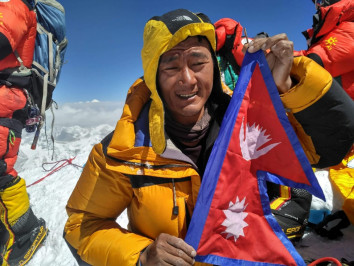
I am Kedar Neupane, a passionate traveler, entrepreneur, mentor, and social contributor, born and raised in a village near the Nepal-China border in Sindhupalchok, Nepal. With a Master’s degree in Business from Tribhuvan University and Level 2 proficiency in the German language, I have dedicated my life to tourism, trade, mentorship, and holistic well-being.
🌍 A Global Explorer with a Vision
Having explored 26+ countries, I have gained profound insights into diverse cultures, business landscapes, and global tourism. My travels have taken me to:
🇹🇭 Thailand | 🇧🇹 Bhutan | 🇲🇾 Malaysia | 🇸🇬 Singapore | 🇨🇳 China | 🇭🇰 Hong Kong | 🇩🇪 Germany | 🇵🇱 Poland | 🇦🇹 Austria | 🇨🇭 Switzerland | 🇭🇺 Hungary | 🇳🇱 Netherlands | 🇧🇪 Belgium | 🇫🇷 France | 🇦🇪 UAE | 🇬🇧 UK | 🇺🇸 USA | 🇹🇷 Turkey | 🇶🇦 Qatar | 🇮🇳 India | 🇮🇩 Indonesia | 🇨🇦 Canada
Through my journeys, I have developed a deep appreciation for cultural exchange, adventure tourism, and sustainable business practices.
🏔️ Entrepreneurial & Professional Journey
I am actively involved in tourism, trade, and mentorship, leading multiple ventures that promote sustainable travel, adventure tourism, and business development:
✔ Founder & MD – Actual Adventure Pvt. Ltd. (A leading adventure travel company in Nepal)
✔ CEO – Himalayas Destination Management Company (Creating premium travel experiences)
✔ MD – Nepal Export & Import Pvt. Ltd. (Promoting Nepalese products globally)
✔ MD – Actual Mentor Pvt. Ltd. (Empowering entrepreneurs and professionals)
✔ Chairman – World Expedition Nepal (Focusing on high-altitude expeditions and trekking)
Through my entrepreneurial journey, social contributions, global explorations, and commitment to lifelong learning, I strive to inspire others to pursue their passions while making a meaningful difference. My dream is to build a world where travel, business, and holistic well-being come together, fostering growth, sustainability, and happiness for all.
Nepal in 2026 offers an unparalleled range of adventures, from the world-famous Everest Base Camp Trek and Annapurna Base Camp Trek to the remote Manaslu Circuit Trek, Langtang Valley Trek, and luxury helicopter toursover the Himalayas. Whether you are seeking family-friendly trips, honeymoon escapes, yoga and wellness trekking experiences, or adrenaline-filled adventure packages, Nepal has a tailored option for every traveler. Each trek or tourrequires careful planning, including permit acquisition, cost management, and safety preparation. Popular trekking regions such as Everest and Annapurna require entry permits — including Sagarmatha National Park and Khumbu Municipality permits for Everest, and ACAP (Annapurna Conservation Area Permit) with TIMS for Annapurna — while restricted regions like Manaslu require a Restricted Area Permit and a licensed guide. Helicopter tours, including flights to Kala Patthar or overnight stays at the Everest View Hotel, are subject to landing permissions, weather conditions, and Civil Aviation regulations, making it essential to confirm details with licensed operators. Costs vary widely based on the level of service, itinerary length, and luxury options, ranging from budget-friendly tea-house treks to premium guided tours or helicopter-assisted packages. The best seasons for trekking and touring are spring (March–May) and autumn (September–November), offering stable weather, clear skies, and optimal mountain visibility. Comprehensive preparation is crucial, including proper layered clothing, insulated jackets, trekking boots, sun protection, hydration solutions, and personal first-aid kits. For families, children, and beginners, itineraries can be adapted with shorter treks, cultural tours in Kathmandu, Pokhara, or Chitwan National Park, and moderate-altitude excursions. Publishers and travel agencies should include detailed sample itineraries in table format for each trip, along with highlights, practical information, packing lists, safety guidelines, and cost overviewsto provide travelers with a complete, reliable resource. It is important to note that all permit rules, fees, helicopter access, and landing permissions can change frequently, so official sources and licensed local operators should always be consulted before publishing exact prices or scheduling details. Using this approach ensures your travel content for Nepal in 2026 is comprehensive, up-to-date, SEO-friendly, and highly valuable for travelers seeking adventure, culture, and wellness experiences in the Himalayas.
Table of Contents
Everest Base Camp Trek (Classic)
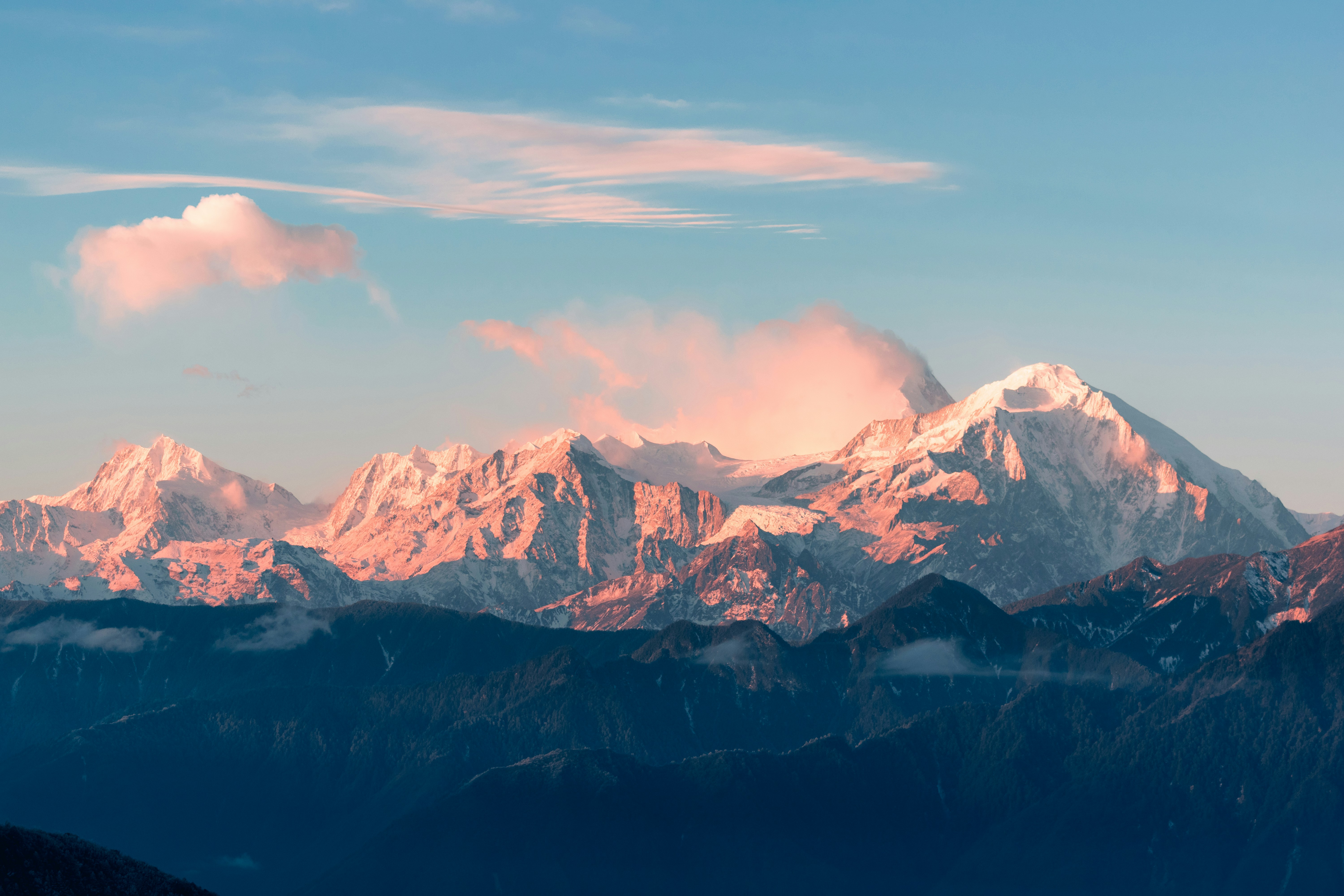
Duration: 12–16 days (typical 14-day package). Difficulty: Moderate–Strenuous. Highest altitude: Kala Patthar ~5,545 m (optional sunrise viewpoint).
Overview
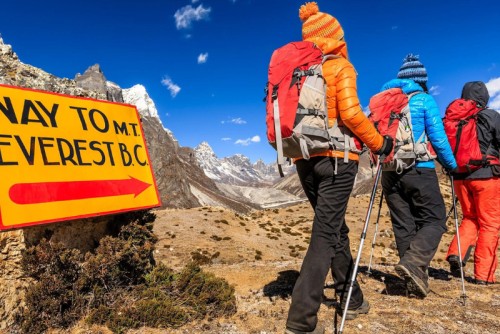
The Everest Base Camp (EBC) trek is Nepal’s most iconic trek — a cultural and alpine route through Sherpa villages, rhododendron forests and high alpine landscapes. Key stops include Lukla (flight), Namche Bazaar, Tengboche monastery, Dingboche, Lobuche, Everest Base Camp and Kala Patthar.
Permits & essential admin
- Sagarmatha National Park Entry Permit and Khumbu (local municipality) permit are required for foreign trekkers on the EBC route; these are obtained in Kathmandu or by a licensed trekking agency. :contentReference[oaicite:1]{index=1}
- TIMS (Trekkers’ Information Management System) may still be requested by some operators — include TIMS if your package policy requires it.
Everest Base Camp Trek 14-day itinerary
| Day | Route / Activity | Notes |
|---|---|---|
| Day 1 | Kathmandu — Flight to Lukla — Trek to Phakding | Early flight to Lukla (weather dependent) |
| Day 2 | Phakding — Namche Bazaar | Acclimatisation climb on arrival |
| Day 3 | Acclimatisation day in Namche — short hikes, market & museum | Optional hike to Khumjung |
| Day 4 | Namche — Tengboche | Visit Tengboche Monastery |
| Day 5 | Tengboche — Dingboche | Rhododendron and pine forests |
| Day 6 | Dingboche (acclimatisation) | Short day hikes recommended |
| Day 7 | Dingboche — Lobuche | Pass moraine views |
| Day 8 | Lobuche — Gorak Shep — EBC — Gorak Shep (return) | Visit Everest Base Camp, then back to Gorak Shep |
| Day 9 | Gorak Shep — Kala Patthar sunrise — Pheriche | Early start for sunrise at Kala Patthar |
| Day 10–13 | Return trek via Namche to Lukla | Planned walking with buffer days |
| Day 14 | Flight to Kathmandu — city transfer | Contingency for flight delays |
Best season
Spring (March–May) and autumn (Sept–Nov) — clear views and stable weather; winter and monsoon have trade-offs (snow & limited services or heavy rains).
Typical inclusions for a professional package
Airport transfers, domestic flights (Kathmandu–Lukla–Kathmandu), licensed guide & porter(s), all accommodation on trek (tea houses), meals on trek, permits, first-aid kit, emergency support and contingency days for weather.
On this page
Permit portals & further reading
Authoritative permit portals and conservation offices (ACAP/NTNC/NP) are the primary sources for fees and online application. Always cross-check before publishing final costs.
Annapurna Base Camp (ABC) Trek
Duration: 7–12 days (typical 9–10 days). Highest altitude: Annapurna Base Camp ~4,130 m. Difficulty: Moderate.
Overview
ABC is famed for close-up views of Annapurna I, terrace farming villages, rhododendron forests and the cultural diversity of Gurung and Magar communities.
Permits
- Annapurna Conservation Area Permit (ACAP) and TIMS are mandatory for ABC region treks; available in Kathmandu or Pokhara through an agent. Typical combined fees are modest (check local exchange rates prior to publishing). :contentReference[oaicite:2]{index=2}
Annapurna Base Camp (ABC) Trek 9-day itinerary
| Day | Route | Notes |
|---|---|---|
| Day 1 | Kathmandu — Pokhara (drive/flight) | Overnight in Pokhara |
| Day 2 | Drive to Nayapul — Trek to Tikhedhunga/Ghorepani | Warm-up day |
| Day 3 | Ghorepani — Poon Hill (sunrise) — Trek to Ulleri/Tikhedhunga | Optional sunrise at Poon Hill |
| Day 4 | Trek to Chomrong | Flowing rivers & terraced fields |
| Day 5 | Chomrong — Bamboo — Deurali | Steep climbs & alpine scenery |
| Day 6 | Deurali — Annapurna Base Camp | Arrive at ABC in afternoon |
| Day 7–8 | Return trek to Pokhara | Relax in Pokhara |
| Day 9 | Pokhara — Kathmandu | End of trip |
Highlights
- Close-up views of the Annapurna massif, Machapuchare (Fishtail), hot springs at Jhinu Danda (optional), and the lakeside city of Pokhara.
Manaslu Circuit Trek (Restricted Area)

Duration: 12–18 days (typical 14–16 days). Difficulty: Moderate–Strenuous. Note: The Manaslu region is a restricted area and requires special permits and a licensed guide for the full circuit.
Permits & access
Manaslu Circuit requires a Restricted Area Permit and sometimes additional conservation area passes; permits are time- and route-dependent and often priced per person per day. Trekking companies handle permit procurement and guided requirements. :contentReference[oaicite:3]{index=3}
Manaslu Circuit Trek (Restricted Area)Sample 15-day itinerary
| Day | Route | Notes |
|---|---|---|
| Day 1 | Drive Kathmandu — Soti Khola | Start trekking next day |
| Day 2–6 | Soti Khola — Machha Khola — Jagat — Deng — Namrung | Entering restricted permit zone |
| Day 7–9 | Namrung — Samagaun — Larkya Phedi | Approach high passes |
| Day 10 | Cross Larkya La (4,900 m) — Bimthang | Highest, most challenging day |
| Day 11–15 | Descend to Dharapani — Drive to Kathmandu | Finish / transfer |
Who should do it?
Adventurous trekkers who want a quieter, more remote circuit with large Alpine panoramas and cultural variety. Because of the permit rules, all independent travelers should book through licensed operators for the Manaslu Circuit.
Langtang Valley Trek
Duration: 6–10 days (typical 7–8 days). Difficulty: Easy–Moderate. Highlights: Near-Kathmandu, rhododendron forests, tamang culture and Kyanjin Gompa.
Why choose Langtang?
Great for travelers short on time who want alpine scenery close to the Kathmandu valley. Accessible year-round with pleasant spring and autumn conditions.
Langtang Valley Trek 8-day itinerary
| Day | Route | Notes |
|---|---|---|
| Day 1 | Kathmandu — Syabrubesi (drive) | 2–3 hour drive |
| Day 2 | Syabrubesi — Lama Hotel | Forest trails |
| Day 3 | Lama Hotel — Langtang Village | Village walk & views |
| Day 4 | Langtang — Kyanjin Gompa (acclimatisation) | Cheese factory & monastery |
| Day 5–7 | Return trek to Syabrubesi — Drive to Kathmandu | Scenic return |
Everest Helicopter Tour & Helicopter Tours (Luxury Options)
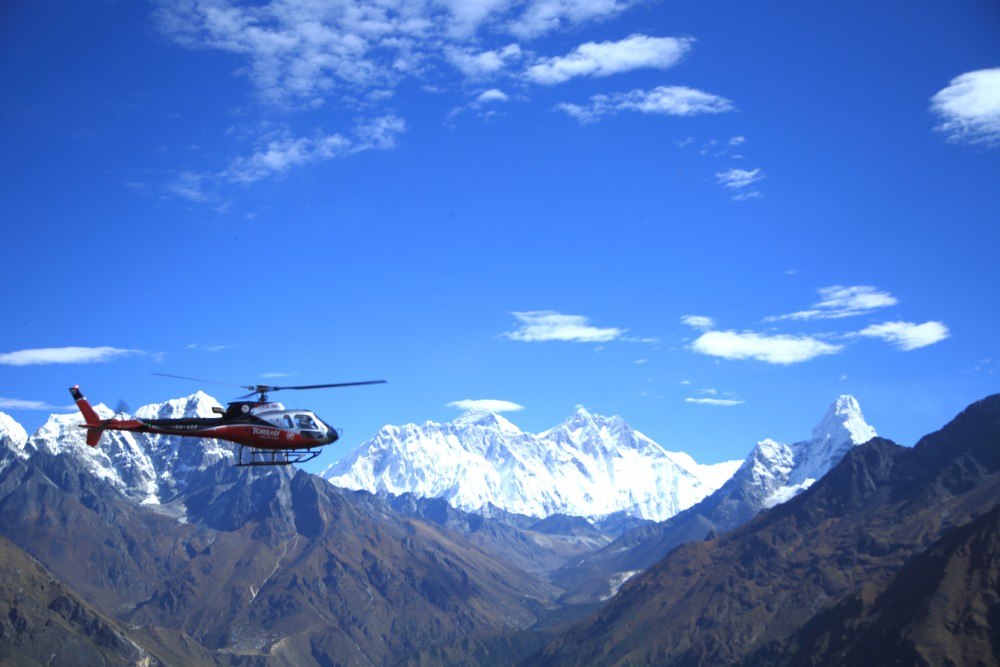
Typical durations: Half-day to 2 days (overnight at Hotel Everest View or return). Who it's for: Travelers wanting Himalayan views without trekking or with limited time.
What to expect (2025–2026 context)
Helicopter tours offer dramatic aerial views (including Everest, Lhotse, Nuptse and Khumbu Glacier). Note: there has been active discussion and local decisions around helicopter flights to sensitive zones; several local authorities and stakeholders have proposed bans or restrictions on flights into certain parts of the Sagarmatha National Park, and civil aviation rules (weight limits, landing permissions and weather restrictions) have been tightened in recent years — keep updated with your operator and CAAN.
Common helicopter products
- Scenic flyover (1–2 hours): fly from Kathmandu or Pokhara and return same day.
- Landing at Hotel Everest View / Kala Patthar (subject to landing permissions & weather): short luxury package with breakfast / overnight options.
- Heli + short trek: fly one-way and trek/return by foot or vice versa.
Everest Helicopter Tour & Helicopter Tours 2-day helicopter + EBC-view package
| Day | Activity |
|---|---|
| Day 1 | Early morning helicopter from Kathmandu — Hover near EBC / Kala Patthar — Land at Hotel Everest View for breakfast — Return to Kathmandu |
| Day 2 | Reserve / buffer day for weather — optional Kathmandu city tour |
 Important: Permits, landing permissions, airport fees and park fees may apply. Some landing options are restricted or under review — always confirm with the operator.
Family Trips in Nepal
Family-friendly itineraries focus on accessible culture, short treks and road trips: Pokhara & lakeside, short village hikes (Ghorepani/Poon Hill 2–3 days), Chitwan National Park (wildlife safari) and cultural Kathmandu valley day tours. Choose comfortable transport and fewer altitude gains for younger children.
Family Trips in Nepal 7-day family itinerary
| Day | Activity |
|---|---|
| Day 1 | Arrive Kathmandu — Hotel & short walk in Thamel |
| Day 2 | Kathmandu valley cultural tour — Swayambhunath & Patan |
| Day 3 | Drive/flight to Pokhara — lakeside stroll |
| Day 4 | Boat on Phewa Lake — short hike to World Peace Pagoda |
| Day 5 | Drive to Chitwan — elephant/jeep safari |
| Day 6 | Chitwan activities — cultural program |
| Day 7 | Return to Kathmandu |
Honeymoon in Nepal
Romantic choices: boutique lodges in Pokhara, luxury hill-station escapes (Nagarkot / Dhulikhel) with Himalayan sunrise views, intimate tea-house treks (Mardi Himal, Ghorepani), and helicopter sunrise flights. Combine with spa, private lake cruises, and private cultural experiences in Patan or Bhaktapur.
Yoga & Wellness Trek
Yoga & wellness treks combine daily yoga, guided meditation, and short scenic walks. Popular areas: Annapurna foothills (near Pokhara), Langtang and short circuits around the Kathmandu valley. Packages often include vegetarian meals, yoga instructors and guided breathing/relaxation sessions.
Yoga & Wellness Trek 7-day wellness package
| Day | Activity |
|---|---|
| Day 1 | Arrival, restorative yoga & evening meditation |
| Day 2–5 | Daily yoga, 2–4 hour guided walks, local wellness cuisine |
| Day 6 | Nature immersion day — guided mindfulness & sunset session |
| Day 7 | Return & debrief |
Practical Information — Permits, Costs & Safety
Key permit sources
- Conservation area permits and national park permits: acquire via the official e-permit systems (NTNC / ACAP) or licensed operators. For Annapurna, ACAP & TIMS are standard. :contentReference[oaicite:6]{index=6}
- Everest region requires Sagarmatha National Park Entry Permit + local municipality permit (Khumbu). Book with an operator to simplify logistics. :contentReference[oaicite:7]{index=7}
- Manaslu: restricted-area permits and guided rule apply; fees can be per-person and per-day — work with a licensed operator. :contentReference[oaicite:8]{index=8}
Costs — publisher's guideline
Treks range from budget (basic tea-house trek) to luxury (private guide, helicopter transfers, boutique lodges). Example price bands (publisher guideline only):
- Budget tea-house trek (EBC/ABC): USD 600–1,100 per person (group departures).
- Standard guided package (includes domestic flights & guide): USD 1,200–2,500 per person.
- Luxury / heli-supported packages: USD 2,500 and up (depends on helicopter content & lodging).
Health & safety
- Acclimatisation is the single most important safety measure; build rest days into itineraries.
- Travel insurance must include high-altitude rescue and helicopter evacuation for remote treks and climbs.
- COVID-era protocols & airport requirements may apply intermittently — verify before travel.
Packing highlights
- Layered clothing (base, mid, insulated), windproof shell, good trekking boots, sun protection, headlamp, water purification options and personal first-aid items.
Packing Highlights
| Category | Items | Notes / Tips |
|---|---|---|
| Clothing | Layered clothing (base layer, mid layer, insulated jacket) | Layering helps adjust to varying altitudes and temperatures |
| Outerwear | Windproof / waterproof shell jacket | Essential for rain, snow, and wind protection |
| Footwear | Good trekking boots, trekking socks | Ensure comfort and ankle support; break-in before trek |
| Sun Protection | Sun hat, sunglasses, sunscreen | Protect against strong UV rays at high altitude |
| Gear | Headlamp / flashlight | Useful for early morning starts or power cuts in tea houses |
| Water & Hydration | Water bottles, hydration pack, water purification tablets/filter | Safe drinking water is critical; refill where safe |
| Health & Safety | Personal first-aid kit, medications | Include altitude sickness medication if recommended |
| Accessories | Gloves, warm hat, trekking poles | Enhances comfort and stability on rugged trails |
Frequently Asked Questions (FAQs) — Nepal Trips 2026
1. What are the most popular treks in Nepal for 2026?
The most popular treks include the Everest Base Camp Trek, Annapurna Base Camp Trek, Manaslu Circuit Trek, and Langtang Valley Trek. These treks offer stunning Himalayan views, diverse cultural experiences, and varying levels of difficulty. For travelers looking for faster or luxury experiences, helicopter tours to the Everest region are highly popular in 2026.
2. What is the best season to trek or tour Nepal?
The best seasons are spring (March–May) and autumn (September–November). These periods offer stable weather, clear skies, optimal mountain visibility, and moderate temperatures. Winter is colder and may have snow on high passes, while monsoon (June–August) brings heavy rain and landslide risk.
3. Do I need permits for trekking in Nepal?
Yes, permits are required for most treks: Sagarmatha National Park Entry Permit and Khumbu Municipality Permit for Everest, ACAP (Annapurna Conservation Area Permit) and TIMS for Annapurna, and a Restricted Area Permit with a licensed guide for the Manaslu Circuit. Always check with a licensed trekking operator for the latest regulations and fees.
4. How much do trekking trips cost in Nepal?
Costs vary depending on the trek, services, and level of luxury. Budget tea-house treks can range from USD 600–1,100 per person for group departures. Standard guided packages including flights, permits, guide and porter services range from USD 1,200–2,500. Luxury or helicopter-assisted packages start at USD 2,500 and above.
5. Are helicopter tours available in Nepal?
Yes, helicopter tours offer scenic flights over the Himalayas, including Everest, Lhotse, Nuptse, and the Khumbu Glacier. Popular options include landing at Kala Patthar or staying overnight at Everest View Hotel. Helicopter flights depend on landing permissions, weather conditions, and Civil Aviation regulations. Always book through a licensed operator.
6. Are these treks suitable for beginners or families?
Yes, treks like Langtang Valley Trek and Annapurna Base Camp Trek can be adapted for beginners and families with shorter daily distances and proper acclimatization. Children should ideally trek with adults and have sufficient rest days. Helicopter tours or cultural trips in Kathmandu, Pokhara, and Chitwan are ideal for families seeking adventure with minimal trekking.
7. What should I pack for a trek or helicopter tour in Nepal?
Essential packing items include layered clothing (base, mid, insulated), windproof/waterproof jackets, good trekking boots, sun protection (sunglasses, sunscreen), headlamp, water bottles & purification options, personal first-aid kit, gloves, warm hat, and trekking poles. Proper gear ensures comfort and safety across different altitudes and weather conditions.
8. How do I ensure safety during a trek in Nepal?
Safety tips include proper acclimatization to avoid altitude sickness, using a licensed guide and porter, carrying a first-aid kit, staying hydrated, monitoring weather conditions, and having travel insurance that covers high-altitude trekking and helicopter evacuation. Always follow guidelines provided by local authorities and trekking operators.
9. Can I combine trekking with wellness or yoga activities?
Yes, Nepal offers yoga & wellness treks where you can combine short scenic hikes with daily yoga, meditation, and wellness sessions. Popular locations include Annapurna foothills, Langtang region, and select circuits near Kathmandu. Packages often include vegetarian meals, guided sessions, and nature immersion experiences.
10. Are there luxury or honeymoon options available?
Yes, for honeymoon travelers or those seeking luxury, Nepal offers boutique lodges, private helicopter tours, overnight stays at Everest View Hotel, lakeside retreats in Pokhara, and intimate cultural tours. These packages combine adventure, comfort, and scenic experiences with personalized services.
11. How do I plan my itinerary effectively?
Sample itineraries in table format help travelers visualize each day’s activities, including trekking routes, rest/acclimatization days, and cultural stops. Publishers and tour operators should include highlights, practical information, permits, and cost estimates. Flexibility is important due to weather, flight delays, and altitude adjustments.
12. Are there any restrictions for helicopter landings in Nepal?
Yes, helicopter landings in high-altitude regions like Kala Patthar or Everest Base Camp are subject to landing permissions, seasonal restrictions, park regulations, and weather conditions. Operators must follow Civil Aviation Authority guidelines, and travelers should verify landing permissions before booking.
13. Do I need travel insurance?
Absolutely. All travelers should have travel insurance covering high-altitude trekking, helicopter evacuations, medical emergencies, and trip cancellations. Insurance is essential for adventure activities and ensures peace of mind during Nepal trips.
14. How do I get accurate permit and fee information?
Official permit and fee information is provided by national park authorities and conservation areas. For Everest: Sagarmatha National Park & Khumbu Municipality; for Annapurna: ACAP & TIMS; for Manaslu: Restricted Area Permit. Fees can change frequently, so always confirm with licensed trekking operators or official portals before publishing or traveling.
15. Are there emergency facilities along the trekking routes?
Most popular trekking regions like Everest, Annapurna, and Langtang have tea houses with basic first aid. For serious emergencies, helicopter evacuation is the fastest option. Carry a personal first-aid kit, and follow the guidance of your guide or trek operator for altitude-related issues or injuries.
Essential Travel Information for Nepal 2026
1. Flights to Nepal
Nepal’s main international airport is Tribhuvan International Airport (TIA) in Kathmandu. Major airlines from India, UAE, Europe, and Asia operate direct and connecting flights to Kathmandu. For travelers from India, multiple daily flights operate from Delhi, Mumbai, Kolkata, and Bengaluru. From the Middle East, airlines like Emirates, Etihad, and Qatar Airways provide convenient connections. Early booking is recommended, especially for the peak trekking seasons of spring (March–May) and autumn (September–November).
2. Nepal Visa Information
Most international travelers require a visa on arrival for Nepal. Visa categories include 15, 30, or 90 days, with fees ranging from USD 30–125. Indian nationals do not require a visa. Travelers should carry valid passport with at least six months validity and recent passport-size photographs. E-visa applications are also available online before arrival for faster processing.
3. Airport Arrival Guide
Upon landing at TIA, follow signs for immigration and baggage claim. Collect your visa if not pre-applied, pass through customs, and meet your driver or guide if pre-arranged. Airport taxis and hotel transfers are available; always use licensed operators. The airport is approximately 6–8 km from central Kathmandu, and traffic can take 30–60 minutes to reach the city.
4. Hotels in Kathmandu
Kathmandu offers accommodation for all budgets. Luxury hotels like Dwarika’s Hotel and Hyatt Regency provide high-end services, while mid-range options like Hotel Shanker and Hotel Moonlight offer comfort at reasonable prices. Budget travelers can find guesthouses in Thamel, Patan, and Bhaktapur for USD 10–400 per night. Booking in advance is recommended during peak season.
5. Taxi and Transport Services
Taxis are widely available in Kathmandu and Pokhara. Negotiate the fare beforehand or use meter-based taxis. Ride-hailing apps like Pathao and Tootle operate in major cities. For intercity travel, tourist buses, private jeep rentals, and domestic flights are convenient for reaching popular trekking starting points like Lukla, Pokhara, and Jomsom.
6. Money Exchange & Currency
The local currency is Nepalese Rupee (NPR). ATMs are available in Kathmandu, Pokhara, and major towns, but carry cash for rural trekking regions. Currency exchange offices are located in Thamel and near the airport. Major international cards are accepted in hotels and restaurants, but cash is preferred for small shops, tea houses, and local markets.
7. SIM Card & Internet
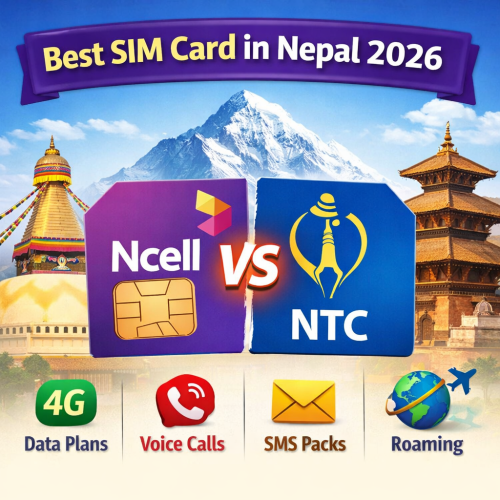
Mobile SIM cards can be purchased at the airport or in the city; Ncell and NTC are the major providers. Tourists must show passport and visa. Internet coverage is widely available in Kathmandu, Pokhara, and major trekking areas, though remote villages may have limited connectivity. Most tea houses provide free Wi-Fi.
8. Drinking Water & Hygiene
Tap water in Nepal is not recommended for drinking. Use purified bottled water or water purification tablets. Hotels and tea houses provide safe drinking water. Always maintain personal hygiene and carry hand sanitizer, especially in remote trekking areas.
9. Restaurants & Cuisine
Kathmandu and Pokhara offer a wide variety of restaurants serving Nepali, Indian, Tibetan, Chinese, and international cuisines. Popular Nepali dishes include dal bhat (lentil rice), momo (dumplings), and thukpa (noodle soup). Budget travelers can enjoy local eateries, while luxury hotels provide fine dining. Tea houses along trekking routes serve basic Nepali meals with options for vegetarian and vegan diets.
10. Major Tourist Attractions in Nepal
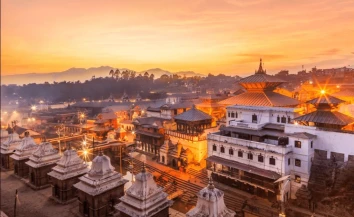
- Kathmandu Valley: Pashupatinath Temple, Boudhanath Stupa, Swayambhunath Stupa, Patan Durbar Square, Bhaktapur Durbar Square
- Pokhara: Phewa Lake, Davis Falls, World Peace Pagoda, Sarangkot sunrise viewpoint
- Chitwan National Park: Jungle safari, elephant rides, bird watching
- Lumbini: Birthplace of Lord Buddha, Maya Devi Temple
- Himalayan Regions: Everest Base Camp, Annapurna Base Camp, Langtang Valley, Manaslu Circuit
These attractions cater to cultural enthusiasts, nature lovers, and adventure travelers alike, making Nepal a diverse and unforgettable destination for 2026.
Things to Do in Nepal & Local Language Guide
1. Trekking and Hiking Adventures
Nepal is globally renowned for trekking and hiking opportunities. Popular treks include the Everest Base Camp Trek, Annapurna Base Camp Trek, Manaslu Circuit Trek, and Langtang Valley Trek. Trekkers can experience high Himalayan landscapes, glaciers, and pristine rivers, along with unique Sherpa and Gurung villages. Shorter treks for beginners or families are available around Pokhara and Langtang National Park. Trekking in Nepal involves scenic trails, teahouses for overnight stays, and opportunities to engage with local communities, making it an unforgettable cultural and outdoor adventure.
2. Helicopter Tours & Scenic Flights
For those seeking luxury or time-saving options, helicopter tours offer breathtaking aerial views of the Himalayas. Tours often include flights over Mount Everest, Lhotse, Nuptse, and the Khumbu Glacier. Some tours land at Kala Patthar or the Everest View Hotel for short visits or overnight stays. These tours provide a safe, fast, and comfortable way to experience Nepal’s highest peaks without the physical demands of trekking.
3. Cultural and Heritage Tours
Nepal’s rich cultural heritage is visible in its Kathmandu Valley, Patan, and Bhaktapur. Tourists can explore Pashupatinath Temple, Boudhanath Stupa, Swayambhunath Stupa, and historic Durbar Squares. Lumbini, the birthplace of Buddha, offers spiritual experiences. Guided tours help travelers understand Nepalese traditions, festivals, and ancient architecture. Participating in local ceremonies and interacting with artisans enhances cultural appreciation.
4. Adventure Sports & Activities
Nepal is ideal for adventure seekers. Activities include white-water rafting in Trishuli and Bhote Koshi rivers, paragliding in Pokhara, mountain biking, rock climbing, and zip-lining. Wildlife enthusiasts can explore Chitwan and Bardia National Parks for jungle safaris, elephant rides, and birdwatching. These activities are suitable for families, solo travelers, and thrill-seekers alike.
5. Wellness, Yoga, and Meditation
Nepal offers several yoga and wellness retreats in the foothills of the Himalayas and in urban areas like Pokhara and Kathmandu. Tourists can combine scenic treks with yoga, meditation, detox programs, and holistic wellness experiences. These retreats provide mental and physical rejuvenation amidst serene natural surroundings.
6. Local Cuisine and Culinary Experiences
Nepali cuisine is diverse and flavorful. Popular dishes include dal bhat (lentil rice), momo (dumplings), thukpa, and local sweets like sel roti. Street food in Kathmandu and Pokhara offers authentic tastes, while restaurants and teahouses provide both local and international options. Participating in cooking classes or home-stays allows travelers to learn traditional recipes.
7. Local Festivals and Cultural Events
Nepal celebrates a variety of festivals such as Dashain, Tihar, Holi, Indra Jatra, and Buddha Jayanti. Festivals offer opportunities to experience local music, dance, rituals, and cuisine. Travelers can plan trips to coincide with festivals to witness vibrant cultural expressions, though accommodation should be booked in advance during these peak times.
8. Local Common Language & Useful Phrases
The official language of Nepal is Nepali. English is widely understood in cities, tourist areas, and by guides. Learning basic Nepali phrases enhances the travel experience and fosters positive interactions with locals. Key phrases include:
- Namaste – Hello / Greetings
- Dhanyabad – Thank you
- Ho – Yes
- Hoina – No
- Malai yo man parcha – I like this
- Kitto cha? – How much is it?
- Saacho cha – It’s good / Okay
- Ma bujhina – I don’t understand
Using these phrases, even in small ways, is appreciated by locals and helps in markets, restaurants, and rural villages.
9. Shopping and Local Handicrafts
Travelers can shop for authentic Nepali handicrafts such as pashmina shawls, Singing bowls, carpets, thangka paintings, and handwoven fabrics. Markets in Thamel (Kathmandu), Pokhara Lakeside, and Bhaktapur are popular. Bargaining is common, but respect for local artisans is important. Purchasing local products supports the community and preserves traditional craftsmanship.
10. Nature and Scenic Exploration
Nepal’s natural beauty extends beyond trekking. Visitors can explore Phewa Lake, Davis Falls, Rara Lake, and Bandipur for serene landscapes. Birdwatching, mountain photography, and nature walks are ideal for travelers seeking relaxation and connection with the Himalayas.
Recent Posts
8th Feb, 2026

6th Feb, 2026